
 Jayashee
Hey fellow fish nerds and plant parents! Ever stared at your tank wondering why your once-vibrant Java fern looks like sad spinach soup? Or why your new swords are melting faster than ice cream on a hot day? You’re not alone — and you’re about to fix it all. This ultimate healthy aquatic plants checklist turns “brown mush” into lush, oxygen-pumping underwater jungles that make your tank the envy of every aquarist group chat.
Whether you’re a total newbie setting up your first 10-gallon or a seasoned pro chasing that perfect aquascape, these simple steps (plus a few laughs and real-talk tips) will have your plants exploding with growth. Ready? Let’s dive in — your fish (and future Instagram followers) will thank you!
Why Healthy Aquatic Plants Make All the Difference
Think of aquatic plants as the superheroes of your tank. They suck up nasty nitrates like a vacuum, pump out fresh oxygen, and cut algae down to size. Plus, they give shy fish hiding spots and turn a plain glass box into a living masterpiece.
Have you ever noticed how a planted tank just feels calmer? That’s no accident — healthy plants create a mini ecosystem that keeps everything balanced. And the best part? Once you nail this checklist, maintenance drops big time. No more weekly algae wars!
The Complete Healthy Aquatic Plants Checklist (Your New Best Friend)
Print this, tape it to your fridge, or save it on your phone — these five biggies are non-negotiable for happy plants.
1. Start with a Nutrient-Rich Substrate (The Foundation That Feeds Roots)
Poor substrate is like trying to grow tomatoes in beach sand — it just doesn’t work. Your plants need minerals, iron, and organic goodies right at the roots.
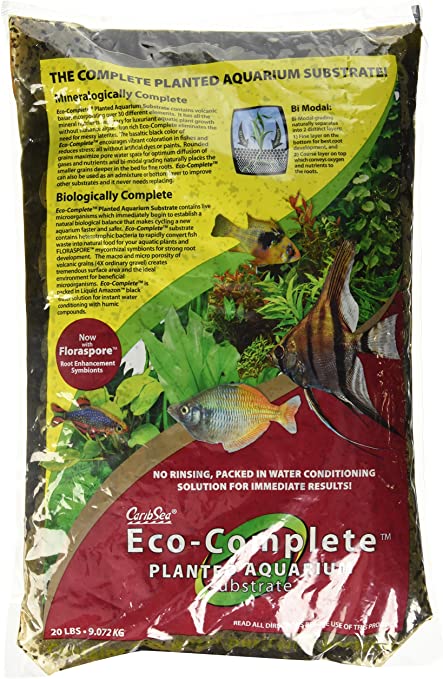
CaribSea Eco-Complete is my go-to because it’s packed with everything plants crave and comes pre-loaded with beneficial bacteria. No rinsing needed — just pour it in and watch roots dive deep. Pro tip: Layer 2-3 inches for most tanks. Your crypts and swords will thank you by shooting up new leaves in days!
2. Get the pH Sweet Spot for Your Specific Plants
Most aquarium plants love pH between 6.5 and 7.5, but some picky ones (hello, Amazon swords) want it a touch lower. Test your water weekly at first — it’s like checking your plant’s mood ring.
Wondering what your tap water is doing? Grab a simple test kit and adjust gently with driftwood or almond leaves if needed. Stable pH = happy plants that don’t melt overnight.
3. Light Them Up with Full-Spectrum Magic
Lighting is the #1 reason plants struggle. Without the right spectrum, they stretch, turn yellow, or just give up.

The NICREW ClassicLED Plus is a budget hero — full red, blue, and white LEDs that make everything pop without breaking the bank. Run it 8-10 hours a day (use a timer so you don’t forget!). Your plants will photosynthesize like champs, and you’ll swear the colors got brighter overnight.
4. Nail CO2 Levels Without Going Overboard
CO2 is plant food on steroids. Too little and growth stalls; too much and fish start gasping.
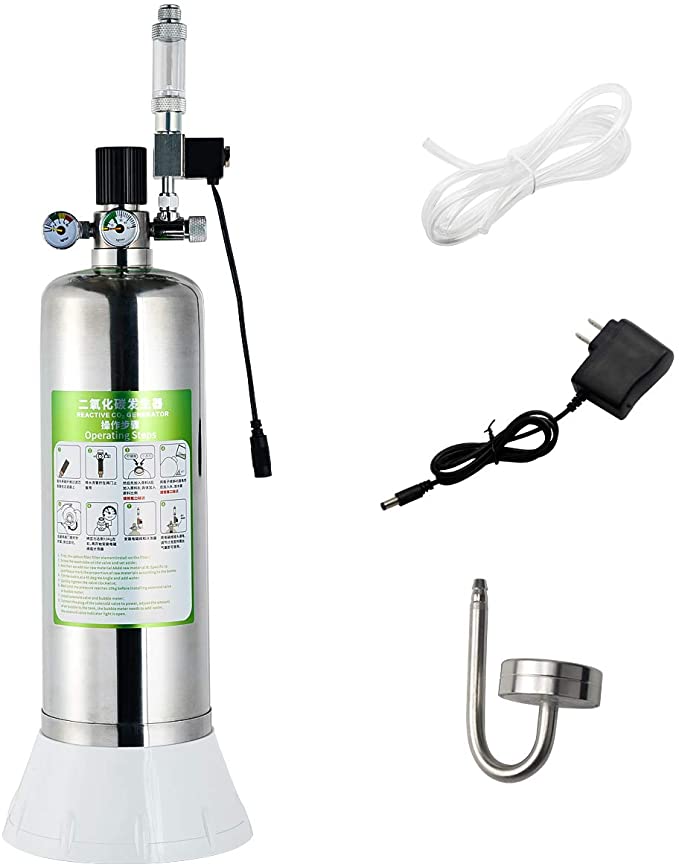
For low-tech tanks with fish, natural CO2 from respiration is usually enough. High-light setups? Consider a simple system or liquid carbon. Funny story: I once overdid liquid CO2 and my plants went crazy… until my shrimp started doing the backstroke. Lesson learned — start low and watch your fish!
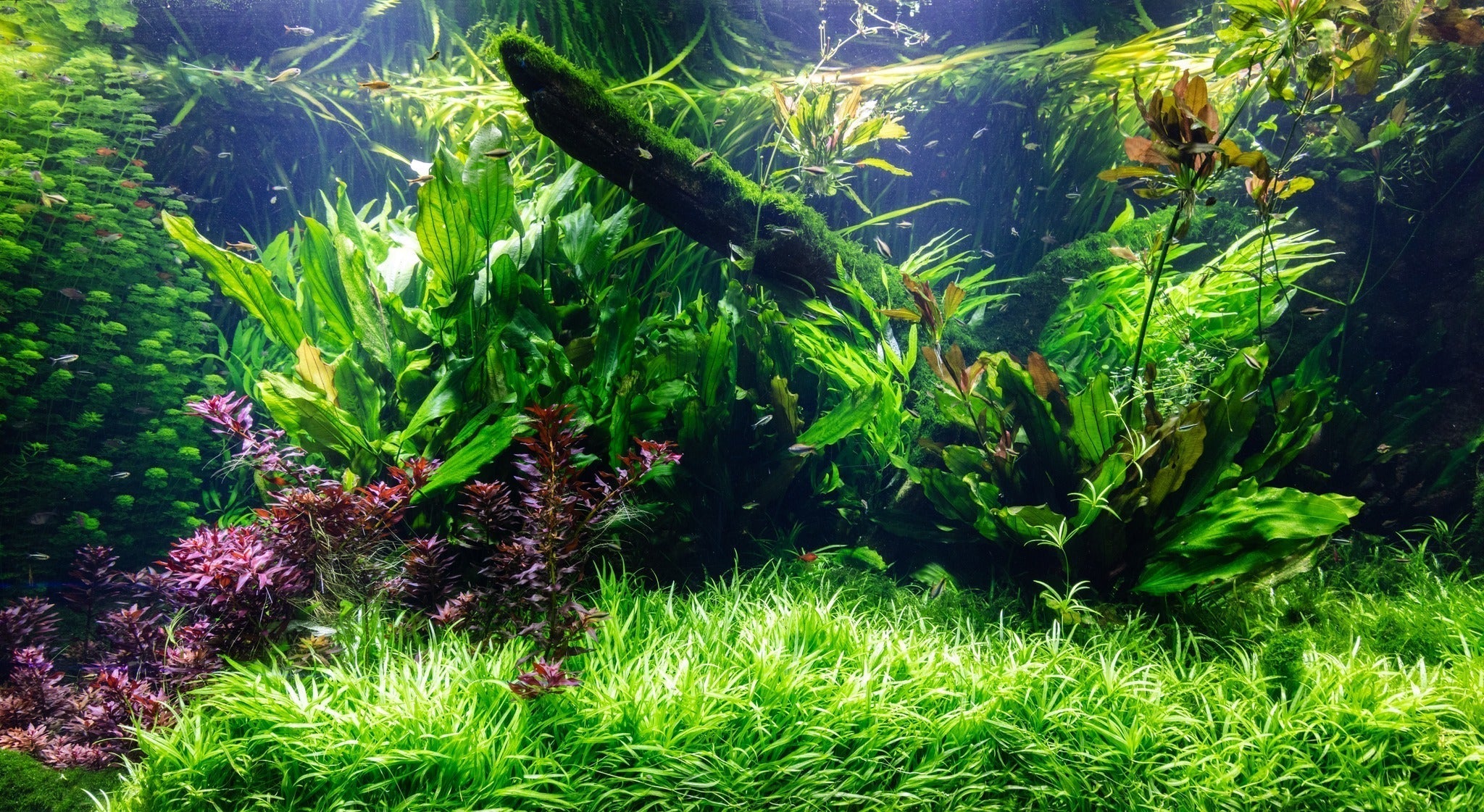
Credit: Splashy Fish Store
5. Protect Plants from Hungry (or Clumsy) Fish
Some fish are basically underwater goats. Goldfish, silver dollars, and certain tetras will snack on tender leaves like they’re at an all-you-can-eat salad bar.
My clown loach once turned my beautiful Vallisneria into confetti because he outgrew the tank and bulldozed everything. Solution? Choose plant-friendly fish or add tough guys like Anubias and Java fern that they usually ignore. Attach them to driftwood with thread or glue — instant fortress!
Top 10 Beginner Plants That Practically Grow Themselves
Want instant wins? These beauties stay healthy with minimal fuss:
- Java Fern (tie it on rocks — zero planting needed)
- Anubias (bulletproof, loves low light)
- Amazon Sword (grows huge and tall)
- Cryptocoryne (slow but steady)
- Vallisneria (spreads like crazy)
- Hornwort (floater that hides fry)
- Marimo Moss Balls (cute rolling pets)
- Java Moss (perfect for shrimp)
- Bucephalandra (stunning slow grower)
- Dwarf Sagittaria (carpet in no time)
Common Mistakes That Murder Plants (And Easy Fixes)
Yellow leaves? Probably iron deficiency — add root tabs. Melting new plants? Normal “transition shock” from emersed to submerged growth. Just trim the bad stuff and wait a week.
Algae takeover? Too much light or nutrients. Dial back the photoperiod and add more plants or shrimp.
Uprooted plants? Blame big fish or strong filters. Use plant weights or heavier substrate.
Your Weekly Planted Tank Maintenance Routine (Takes 15 Minutes)
Monday: 20-30% water change. Wednesday: Dose liquid fertilizer. Friday: Trim dead leaves and check lights. Sunday: Test parameters and celebrate your green thumb.
Stick to this and your tank will stay crystal clear.
Fertilizers That Actually Work (No Snake Oil Here)
Root tabs for heavy root feeders. Liquid all-in-one for easy dosing. Seachem Flourish is my favorite — gentle and effective. Over-fertilize and you’ll grow algae instead of plants, so follow the bottle like it’s your plant’s diet plan.
Troubleshooting Like a Boss
- Brown spots? Potassium shortage
- Holes in leaves? Fish snacking or nutrient lack
- Black stems? Too much light or poor substrate
- Super slow growth? Add CO2 or upgrade lighting
Real Stories from Real Tanks
One reader told me her 20-gallon low-tech tank went from “meh” to “wow” just by switching to Eco-Complete and adding Anubias. Another fixed melting swords by dropping pH from 8.0 to 6.8. Your turn!
Quick Start Guide for Your First Planted Tank
- Rinse substrate (or not, if using Eco-Complete)
- Add hardscape (rocks, wood)
- Plant your favorites
- Fill slowly with dechlorinated water
- Add light and filter
- Wait 2-4 weeks before adding fish
Bonus Tips to Make Your Planted Tank Viral-Worthy
- Add floating plants for extra shade and fry protection
- Use a wavemaker for gentle flow (plants love it)
- Take before-and-after photos — you’ll be amazed
Final Thoughts: Your Lush Planted Aquarium Awaits
There you have it — the ultimate healthy aquatic plants checklist that actually works. Follow these steps and you’ll have a thriving underwater garden that makes fish happy, water clean, and you look like an aquascaping genius.
Ready to level up your tank? Start with our complete axolotl aquarium setup guide for planted ideas that work with unique critters. Battle algae and pests with these 6 ways to evict aquarium pests fast. Dreaming of shrimp? Check our shrimp tank setup guide.
Love big public aquariums? See our Chattanooga Aquarium adventure, OdySea Aquarium complete guide, Camden Adventure Aquarium review, and full shrimp tank guide.
For more science-backed plant basics, visit the official API Planted Aquarium Care Guide.
Now go set up that tank — your plants are waiting to show off! Drop a comment with your before-and-after pics. Who’s ready to grow some green magic today? 🌿🐟



Add comment